
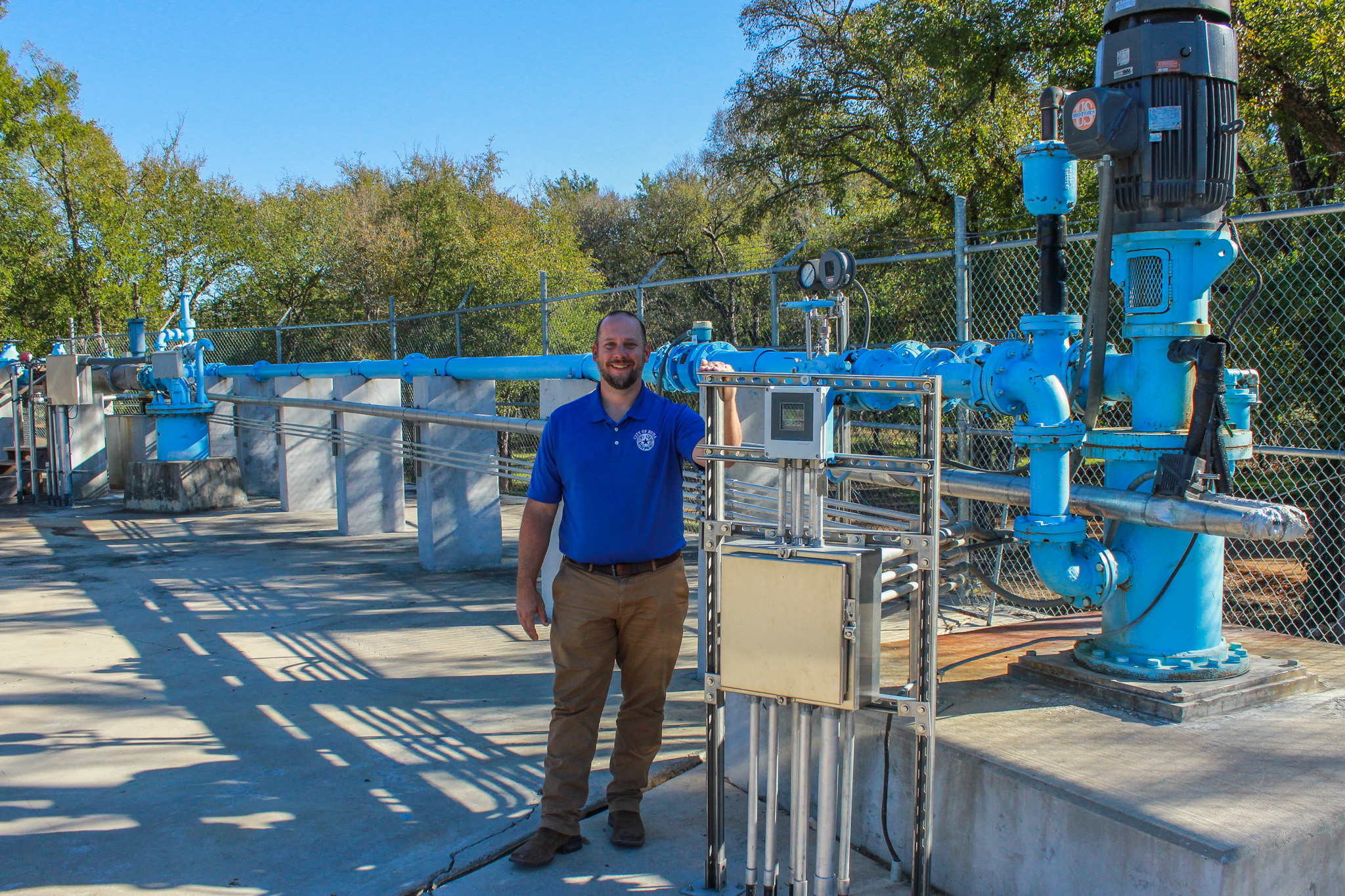
A permittee of the District since we first began issuing permits in 1988, the City of Buda has established a reputation for thoughtful, long-term water management. Through investments in modern technology, proactive planning, and infrastructure designed for drought resilience, the City continues to safeguard local water resources while supporting a rapidly growing community.
Smart Meters
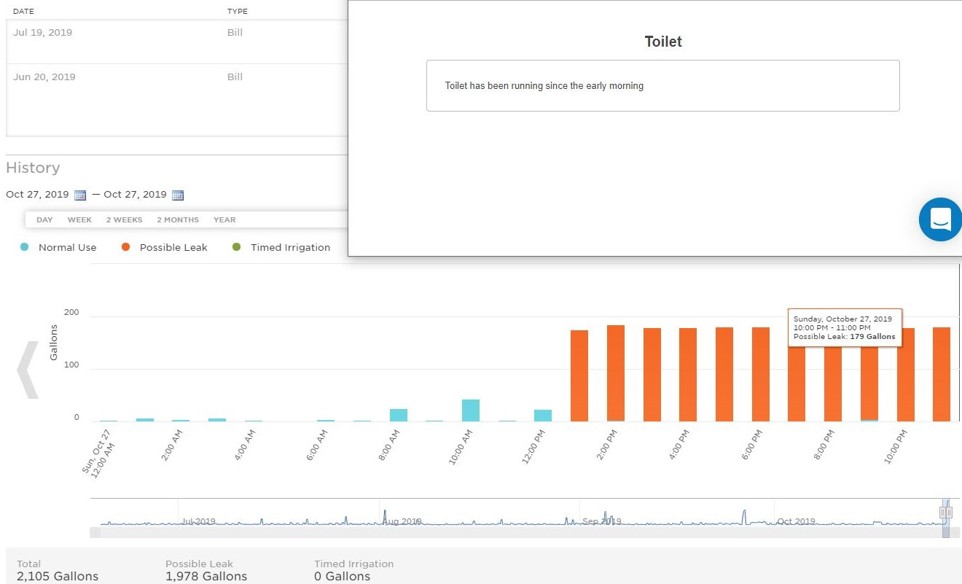
In 2019, the City of Buda transitioned its entire service area to Advanced Metering Infrastructure (AMI), or “smart meters.” These smart meters give residents a clearer window into their day-to-day water use and make it easier to spot irregularities early. Since installation, the City has sent over 15,000 leak alerts to customers. It’s estimated that over 35 million gallons of water have been saved through these early notifications.
“AMI is one of the biggest tools in our conservation toolbox,” Blake Neffendorf, City of Buda’s Director of Public Works, explained. “It allows residents to view their water usage down to an hourly level and empowers them to make changes.”
The data helps customers identify problems quickly, such as irrigation systems running too long or leaks they might not notice otherwise. This reduces both water loss and unexpected charges. The system even sends automatic leak alerts when it detects continuous flow, allowing customers to act before water and money are lost. Toilets, for example, are often the biggest culprit; a single running toilet can waste up to 200 gallons per hour.
The upgrade has streamlined City operations as well. The smart meter automatically delivers usage data and generates reports, removing the need for manual meter reads. “The technology largely runs itself,” Neffendorf noted. “It doesn’t require extra personnel, but it delivers big results.”
Aquifer Storage and Recovery
Buda’s forward-looking strategy also includes Aquifer Storage and Recovery (ASR), making it one of only two permittees in the District to implement this approach. Through ASR, the City can store treated Edwards Aquifer water in the Middle Trinity Aquifer and recover it later when supplies are tight or demand rises. The system is especially valuable during periods of surplus, allowing excess Edwards water to be captured and banked in the Trinity for use during drought. Storing water in the aquifer also prevents evaporation losses common in lakes and reservoirs, ensuring that more of the City’s water remains available when it’s needed most.
“There are no new Historical Edwards permits being issued,” said Neffendorf. “ASR helps us use what we already have more efficiently and provides stability for our system and our customers.”
The City currently has approximately 30 million gallons stored and aims to expand that reserve to 180 million gallons over time when the District is out of drought. Water quality testing consistently shows that recovered water closely matches the quality of the Edwards water originally injected, making it a dependable resource when drought conditions persist.
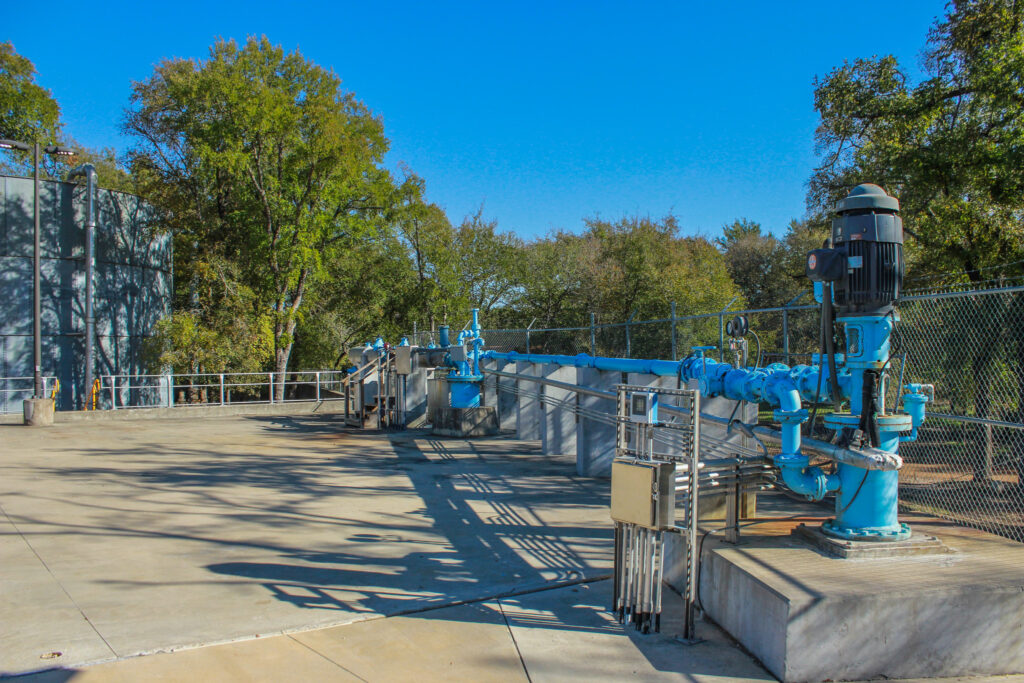
The City of Buda’s ASR system including a well in the Edwards Aquifer (left) and a well in the Trinity Aquifer (right).
Developing the project required coordination among the City, the District, and state regulatory partners. According to Neffendorf, the collaboration has been constructive and focused on shared goals, including supporting community needs while safeguarding the aquifer.
Sustainability Amongst Growth
Buda’s water-conscious mindset carries over into how the community develops. The City’s Unified Development Code (UDC) encourages the use of native and drought-tolerant landscaping, low-water irrigation strategies, and rainwater harvesting in new construction.
The City leads by example as well, incorporating native vegetation into municipal landscapes to reduce water use and long-term maintenance. A rain barrel rebate program launched last year has helped more residents adopt simple water-saving measures at home.
Supporting these efforts is Buda’s Sustainability Commission, a citizen group that helps guide environmental programs and policies, from drought planning to waste reduction. Together, these initiatives reflect a holistic approach to resource management.
“Buda’s slogan, ‘Breathe Easy Here,’ captures the community’s appreciation for the natural environment,” said Neffendorf. “We understand how closely our quality of life is tied to the health of the aquifer.”
A Model for Conservation
By pairing everyday conservation tools like smart meters with long-term strategies like aquifer storage and recovery, the City of Buda continues to strengthen its water system in ways that support both current residents and future generations. As an engaged District permittee, Buda demonstrates how collaborative planning, modern technology, and community involvement can work together to protect precious local groundwater resources.