
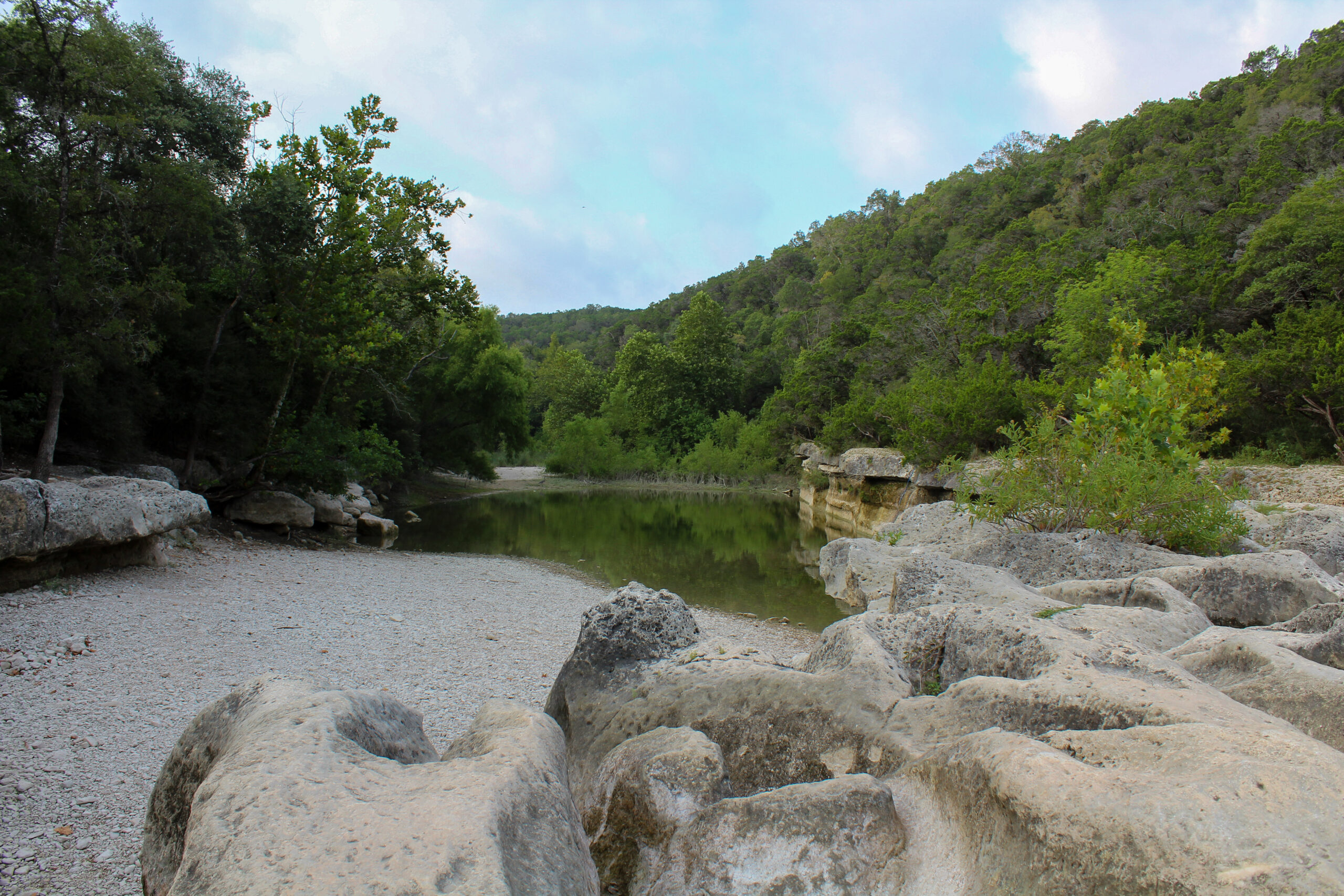
Sculpture Falls | August 2026
Much-needed, above-average rainfall from April through July improved water levels and springflows across the aquifer. However, at the most recent Board meeting, District staff and the Board decided to remain in Stage 3 Exceptional Drought despite our primary triggers currently being in Stage 2. Late-summer monitoring shows that our aquifer indicators are already trending downward during the hottest and highest-demand part of the year.
Why the District is Maintaining Stage 3
Aquifer conditions improved after several rainfall and recharge events, but water levels have already begun their annual late summer decline.
Lovelady Monitor Well
As of August 19, the Lovelady monitor well’s 10-day average water level was 457.9 feet above mean sea level (ft-msl), approximately 0.81 feet (or 10 inches) above the Stage 3 Exceptional Drought threshold of 457.1 ft-msl (Figure 1). Due to this rapid decline, water levels could be back within Stage 3 by early-to-mid-September.
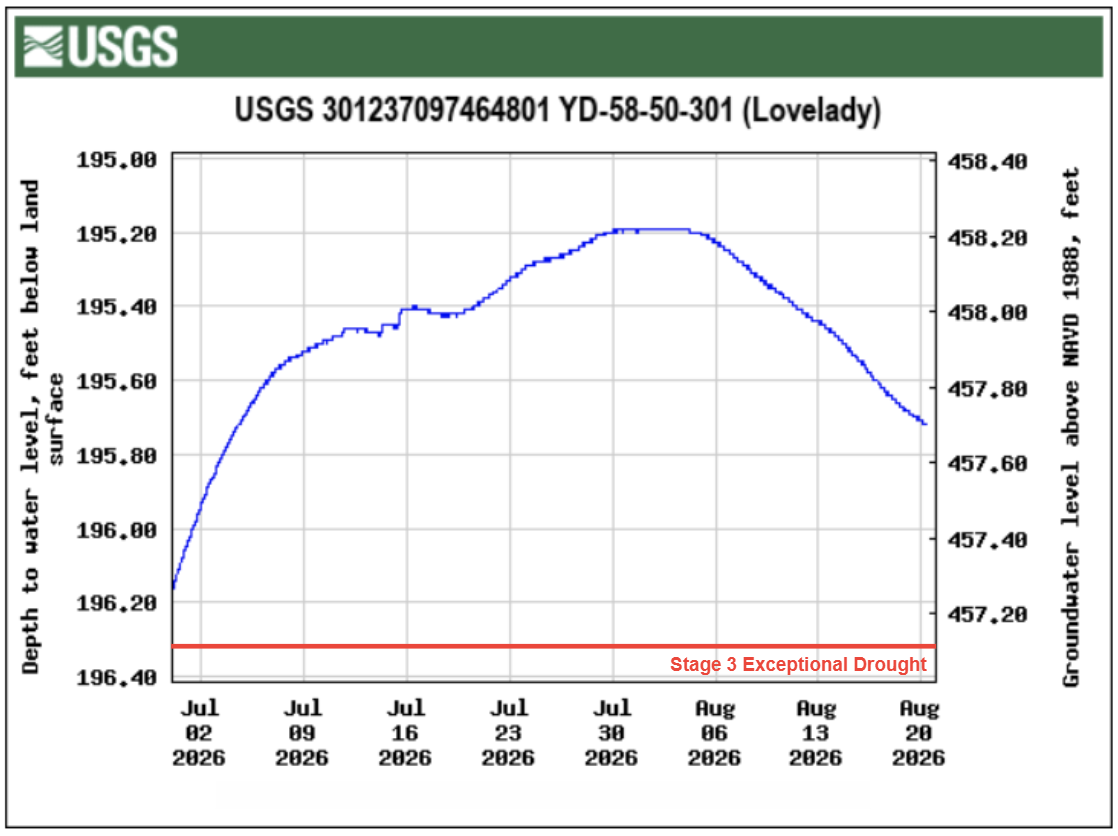
Figure 1. Lovelady groundwater level since July 1, 2026.
Barton Springs and Other Indicators
Discharge at Barton Springs is currently about 20 cubic feet per second (cfs), though declining quickly and could be right behind Lovelady in crossing into the Stage 3 threshold (14 cfs) in September.
Other indicators show a similar pattern:
- Trinity Aquifer monitor wells are declining
- Jacob’s Well has returned to near zero flow
- Local area creeks have dried again
- Blanco River flow at Wimberley is below normal
- No meaningful rainfall in future forecast
Together, these observations reinforce that recent rainfall’s meaningful recharge has not offset the effects of continued heat, high water demand and limited recharge.
The District’s Outlook
Recent rainfall has provided meaningful recharge and improved aquifer conditions, but recovery remains fragile. With hotter-than-average temperatures, limited rainfall expected in the near term, and several aquifer indicators beginning to decline, the District remains cautious (Figure 2).
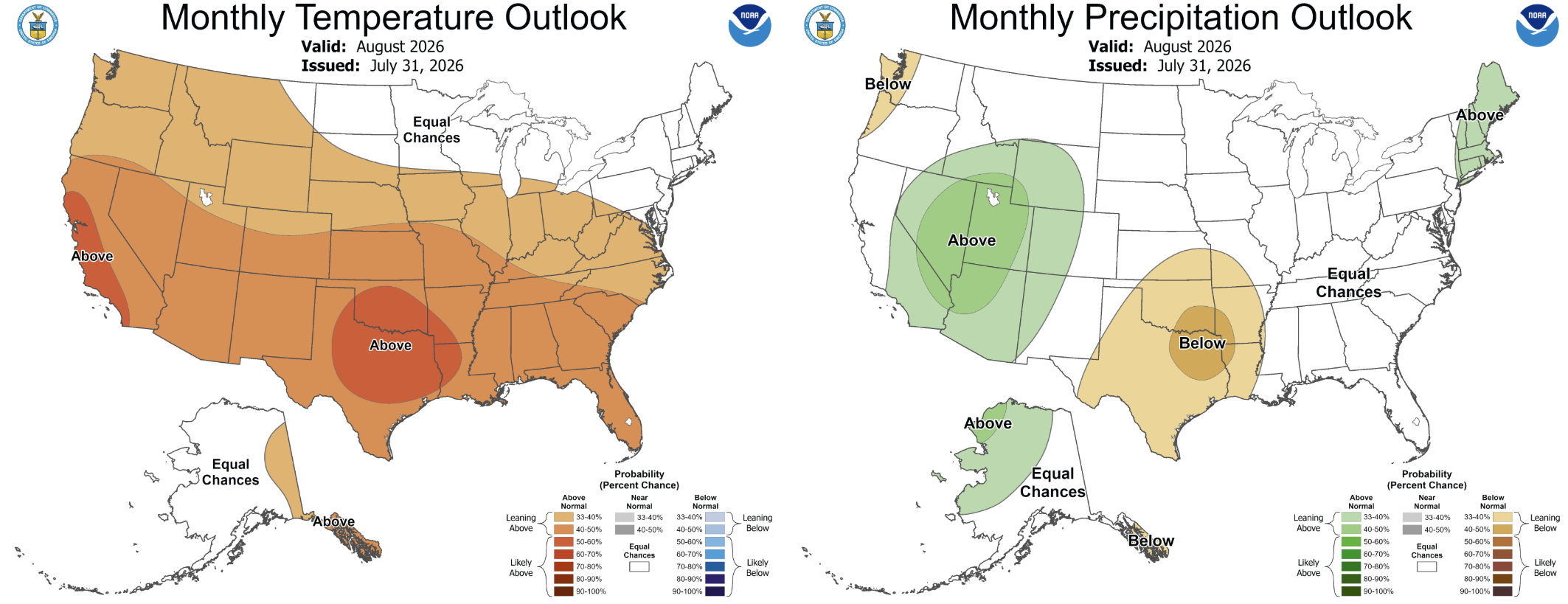
Figure 2. September-October-November Seasonal Temperature Precipitation Outlook for the U.S. according to the climate Prediction Center.
Additional, well-distributed rainfall through the fall and early winter will be necessary to support a more sustained recovery and provide enough buffer to move into less severe drought stages. The District will continue monitoring groundwater levels, springflow, rainfall, and pumping trends to determine when conditions support a change in drought status.
Until then, the community is encouraged to continue using water wisely as the region works toward long-term recovery.
What You Should Do
Residents and businesses should continue to follow all Stage 3 requirements for using water carefully. Specifically:
- Follow all pumping and water-use reduction requirements
- Limit nonessential outdoor watering
- Keep an eye out for leaks or plumbing issues and address them promptly
- Check the District’s website for requirement details, conservation resources and current aquifer conditions